Merit: Attempts to use lighting as a method of generating mood, atmosphere or meaning but may be limited to certain shots
Distinction: Artificial lighting may be used creatively to generate mood, atmosphere or meaning
Lighting Techniques from Basic Video Production
#1 – Make the Sun your backlight
For daytime exteriors, having the sun behind your actors or subjects is crucial. Watch any large scale feature film that is shot in available light and you’ll notice this is done in nearly every exterior day shot, and for good reason. One of the ugliest looks you can get when shooting with natural light is to have your actors faces blown out with harsh sunlight beating down on them, creating nasty shadows and unflattering images all around. By positioning your actors in a way that places the sun to be behind them to hit the back of their heads, you are essentially doing two things. First off, you’re protecting their face from taking in all of the sunlight which will not only make them look bad, but also cause them to squint. And secondly, with the sun behind them, they will naturally have a backlight that will separate them from the background and create a nice rim around their heads, with nice even lighting on their face.
#2 – Shoot during Blue Hour and Magic Hour
Blue hour is the short window of time after the sun goes down (or before it comes up) where the sky is still colorful, but the sun isn’t visible. And Magic Hour of course, is the hour leading up to sunset or just after sunrise. Both of these times of day are ideal for shooting as the natural quality of light outside at that time of day just can’t be beat. The trick is to utilize these two times of day for different purposes. For example. Blue Hour is ideal when you need to shoot a short night time scene, but don’t have any lights. There is enough ambient light in the sky to provide definition on your actors while at the same time leaving the environment quite dark, giving the feeling of night time. Car headlights, houses with lights on and other artificial sources in the background will be completely visible during blue hour, helping you to sell that it is night time. Magic hour is really great for scenes that you would normally shoot in the day time (they don’t need to be sunset shots). It will simply make your life easier by providing a very soft and forgiving, warm natural light that will make your scene glow and feel somewhat, well, magical.

#3- Rehearse, rehearse, rehearse
If you plan on working with available light you need to be aware that you will not have all the time in the world to get any given shot. Your light source is constantly moving around and in the case of Blue Hour or Magic Hour, dissapearing very quickly. The only way you are going to be able to get what you need to get during this time of day is to have your actors perfectly rehearsed. I’ve been in situations where we have 15 minutes until we lose all light from the sun and the actors aren’t prepared. They drop lines take after take and I’m left scrambling to shoot parts of the scene line by line to ensure that we get everything in the can. This is never ideal and in some cases it may mean that you don’t complete your scene and you need to spend another full day doing re-shoots. So make sure your actors are exceptionally well prepared. Take the extra time during rehearsal because you certainly won’t have it on set.
#4 – Choose the right locations
This also may sound obvious, but time and time again indie film makers will make the mistake of getting lazy when shooting with natural light. Not having lights doesn’t mean you can just shoot anywhere and slack off in other areas of production. You need to spend a good amount of time picking locations that will work with available light. For example, if you’re shooting an interior of a bedroom scene in the middle of the day, you need to make sure that room has enough light coming in. Is there a window in the room? A skylight? Is there a tree outside that will block the light after a certain time? All of these little questions are critical to ensure that the locations you are choosing will work. It is also importnat that you do camera tests at these locations. You may have a parking garage that you want to shoot in. But the type of lighting they are using may cause strobing with your camera, or maybe it is just too flat. Choose locations that will lend themselves well to shooting without lights.

#5 – Use practicals
Much of this post has focused on exteriors, or lighting interiors with daylight, but what about interiors at night? Practicals (lights that are visible in the shot) are your friend here. You may want to use something as simple as a lamp, positioned stategically next to your actor to give them a key light. Or in another scenario, you may have a character sitting in the driveway while another is inside watching TV – in this case you can likely use the car headlights to shoot light through the window. Or it may be as simple as using a dimmer switch when shooting inside a house. This can do a lot as you may want to dim just the background lighting and leave more lights on in the main area as fill for your subject. Using dimmers really helps to control lighting with ease.

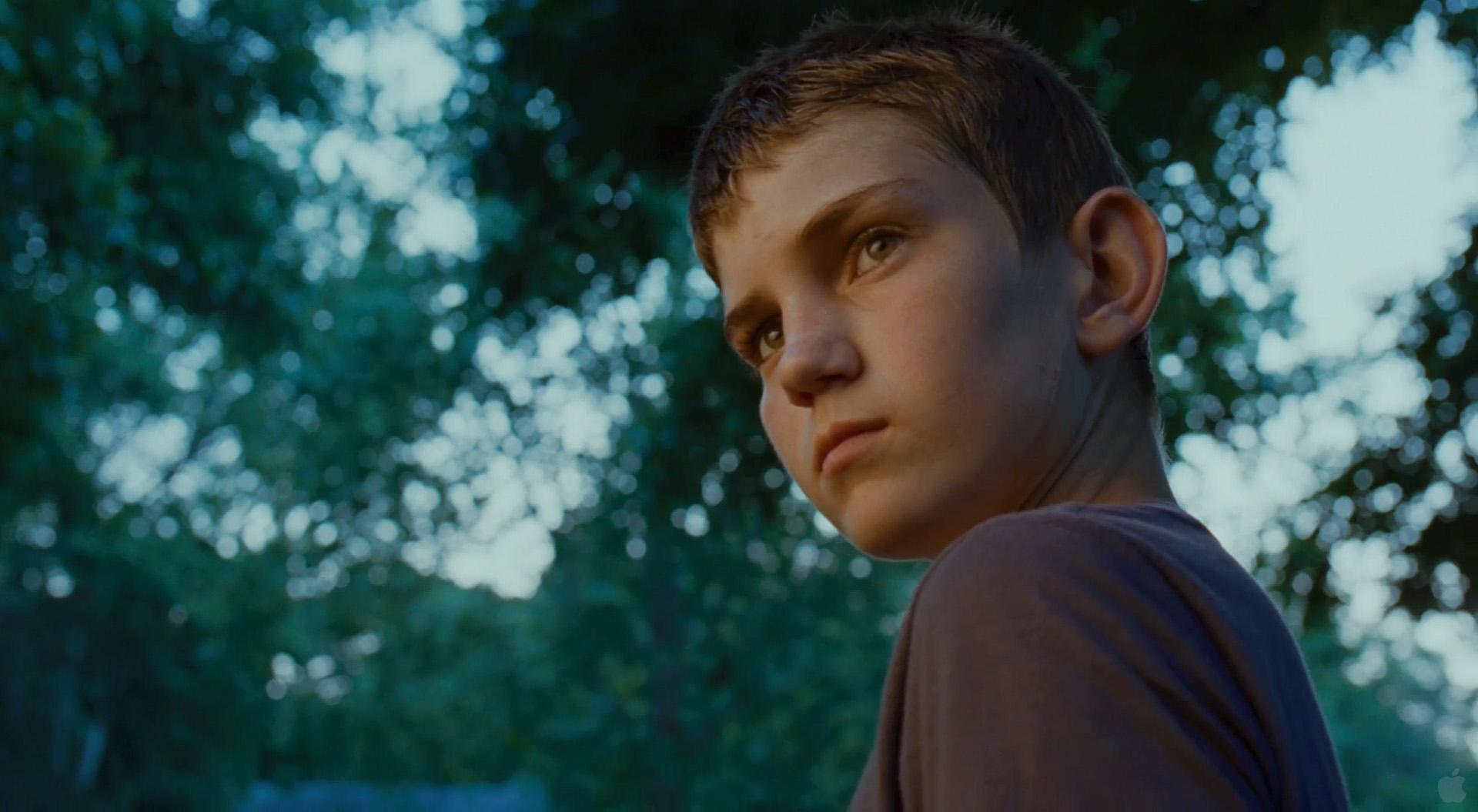
#1 – Make the Sun your backlight
For daytime exteriors, having the sun behind your actors or subjects is crucial. Watch any large scale feature film that is shot in available light and you’ll notice this is done in nearly every exterior day shot, and for good reason. One of the ugliest looks you can get when shooting with natural light is to have your actors faces blown out with harsh sunlight beating down on them, creating nasty shadows and unflattering images all around. By positioning your actors in a way that places the sun to be behind them to hit the back of their heads, you are essentially doing two things. First off, you’re protecting their face from taking in all of the sunlight which will not only make them look bad, but also cause them to squint. And secondly, with the sun behind them, they will naturally have a backlight that will separate them from the background and create a nice rim around their heads, with nice even lighting on their face.
#2 – Shoot during Blue Hour and Magic Hour
Blue hour is the short window of time after the sun goes down (or before it comes up) where the sky is still colorful, but the sun isn’t visible. And Magic Hour of course, is the hour leading up to sunset or just after sunrise. Both of these times of day are ideal for shooting as the natural quality of light outside at that time of day just can’t be beat. The trick is to utilize these two times of day for different purposes. For example. Blue Hour is ideal when you need to shoot a short night time scene, but don’t have any lights. There is enough ambient light in the sky to provide definition on your actors while at the same time leaving the environment quite dark, giving the feeling of night time. Car headlights, houses with lights on and other artificial sources in the background will be completely visible during blue hour, helping you to sell that it is night time. Magic hour is really great for scenes that you would normally shoot in the day time (they don’t need to be sunset shots). It will simply make your life easier by providing a very soft and forgiving, warm natural light that will make your scene glow and feel somewhat, well, magical.
#3- Rehearse, rehearse, rehearse
If you plan on working with available light you need to be aware that you will not have all the time in the world to get any given shot. Your light source is constantly moving around and in the case of Blue Hour or Magic Hour, dissapearing very quickly. The only way you are going to be able to get what you need to get during this time of day is to have your actors perfectly rehearsed. I’ve been in situations where we have 15 minutes until we lose all light from the sun and the actors aren’t prepared. They drop lines take after take and I’m left scrambling to shoot parts of the scene line by line to ensure that we get everything in the can. This is never ideal and in some cases it may mean that you don’t complete your scene and you need to spend another full day doing re-shoots. So make sure your actors are exceptionally well prepared. Take the extra time during rehearsal because you certainly won’t have it on set.
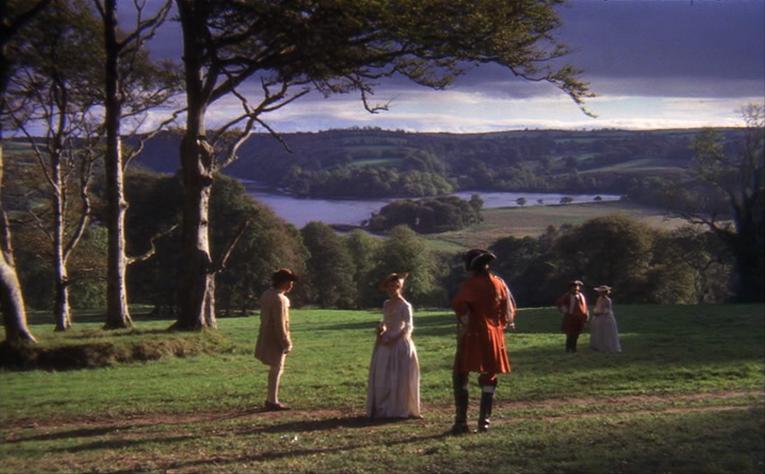
#4 – Choose the right locations
This also may sound obvious, but time and time again indie film makers will make the mistake of getting lazy when shooting with natural light. Not having lights doesn’t mean you can just shoot anywhere and slack off in other areas of production. You need to spend a good amount of time picking locations that will work with available light. For example, if you’re shooting an interior of a bedroom scene in the middle of the day, you need to make sure that room has enough light coming in. Is there a window in the room? A skylight? Is there a tree outside that will block the light after a certain time? All of these little questions are critical to ensure that the locations you are choosing will work. It is also importnat that you do camera tests at these locations. You may have a parking garage that you want to shoot in. But the type of lighting they are using may cause strobing with your camera, or maybe it is just too flat. Choose locations that will lend themselves well to shooting without lights.
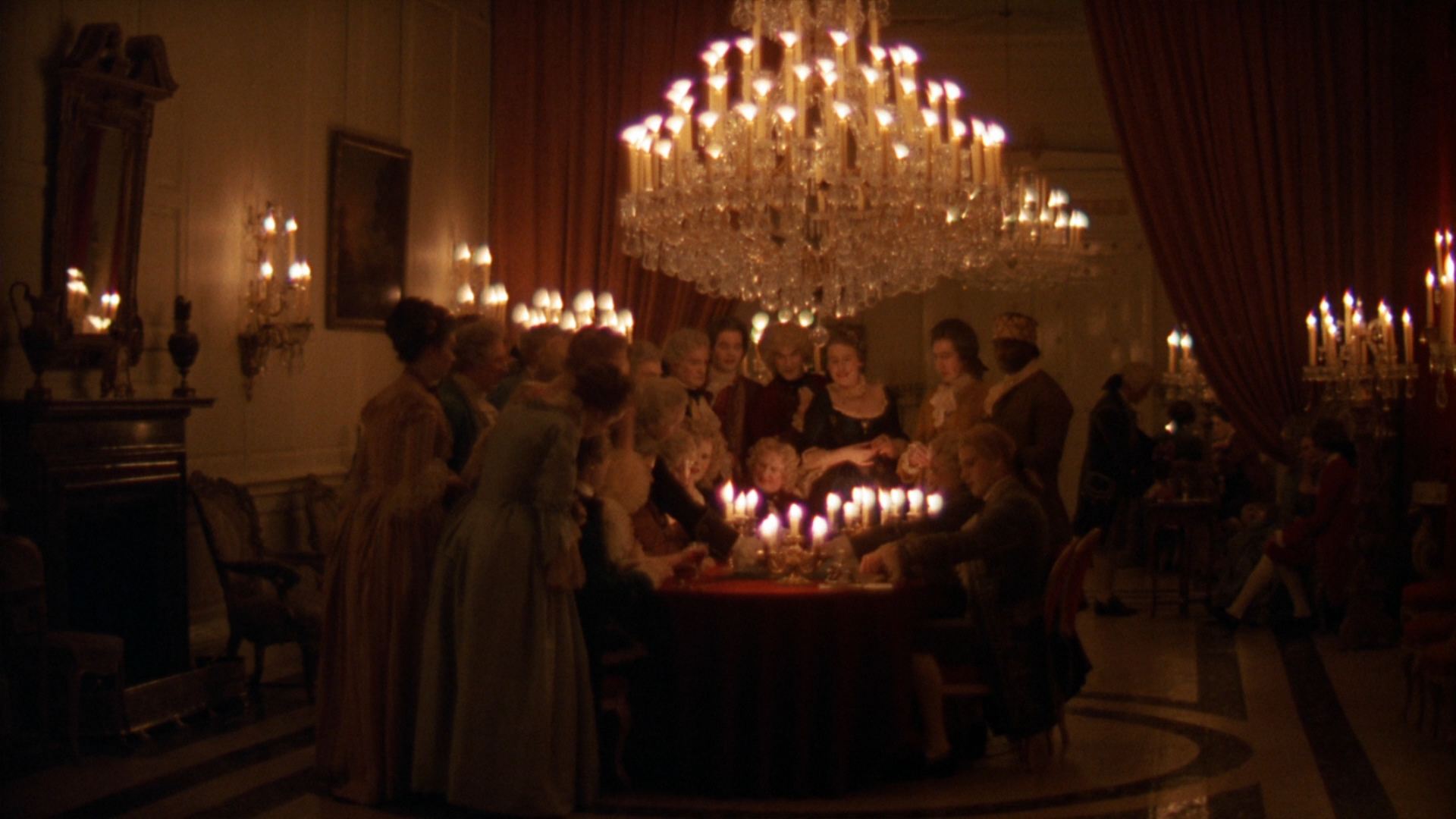
#5 – Use practicals
Much of this post has focused on exteriors, or lighting interiors with daylight, but what about interiors at night? Practicals (lights that are visible in the shot) are your friend here. You may want to use something as simple as a lamp, positioned stategically next to your actor to give them a key light. Or in another scenario, you may have a character sitting in the driveway while another is inside watching TV – in this case you can likely use the car headlights to shoot light through the window. Or it may be as simple as using a dimmer switch when shooting inside a house. This can do a lot as you may want to dim just the background lighting and leave more lights on in the main area as fill for your subject. Using dimmers really helps to control lighting with ease.
#6 – Use Reflectors and Flags
This is an obvious one, but there are going to be many scenarios where you need to fill in light, create negative fill, or add a splash of light in the background. If you don’t have lights, your only option are reflectors and flags. These can be inexpensive foam core boards that you buy at your local art supply store, or professional quality mirror boards and floppy’s from an art supply store. Choose what you need based on the budget and constraints of your project, but be sure to have these tools available to you. If you’re outside on a bright sunny day and your talent is completely washed out in sunlight, you’re going to want to use a flag to create some negative fill to give contrast to the actor’s face. Or conversely if your actor is side-lit and your camera isn’t picking up detail in the shadows, having that bounce will be crucial. Using flags and reflectors is one of the number one things that indie “natural light” productions don’t seem to pay enough attention to, and you can always spot it a mile away.
#7 – Preparation is key
Arguably the most important point on this list. You absolutely need to set aside more prep time to plan for your natural light shoot. If you’re going to shoot in a parking lot, you need to go there before hand and see how the light hits that parking lot at every hour. You need to know if there is a building casting a shadow, and if so whether that is good or bad for your needs. You need to know your sunrise and sunset times off by heart and be prepared to work quickly under those tight windows of time you have open. I mentioned above the importance of rehearsing your cast, which falls into this category as well. But what is just as crucial is having your crew prepared and ready to go. When shooting with available light, especially during Magic Hour, you literally have minutes to get the shot you need. So make sure you are prepared, set up on time or early, and ensure the crew is ready to go and the actors know their lines. From there, it’s up to you to make the magic happen.
In Summary
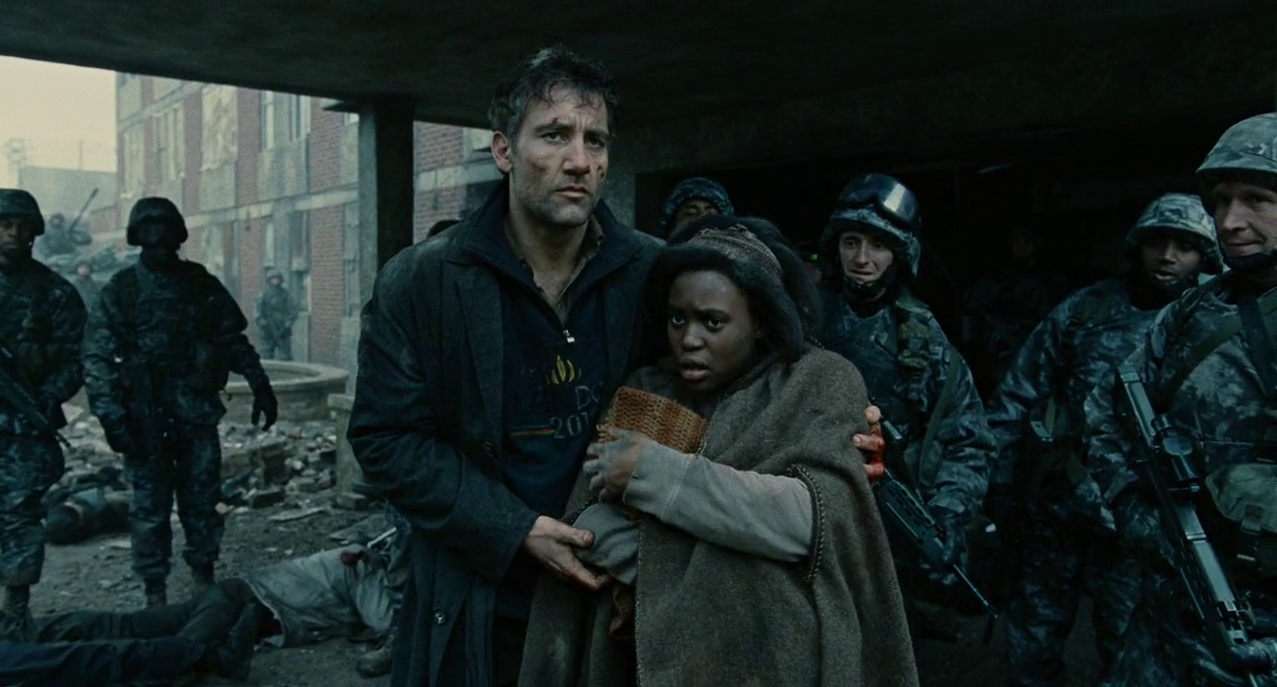
Shooting with natural light can be a very liberating way to approach the craft of film making but you will only get these results if you plan properly - know where the sun is going to be.
If your story calls for a very organic, natural look than using available light can be one of the best choices you’ll make as far as the aesthetics of your production, than take the necessary steps to make it look beautiful.

No comments:
Post a Comment